Making my Facebook friends learn about Africa and my new role in Nigeria.
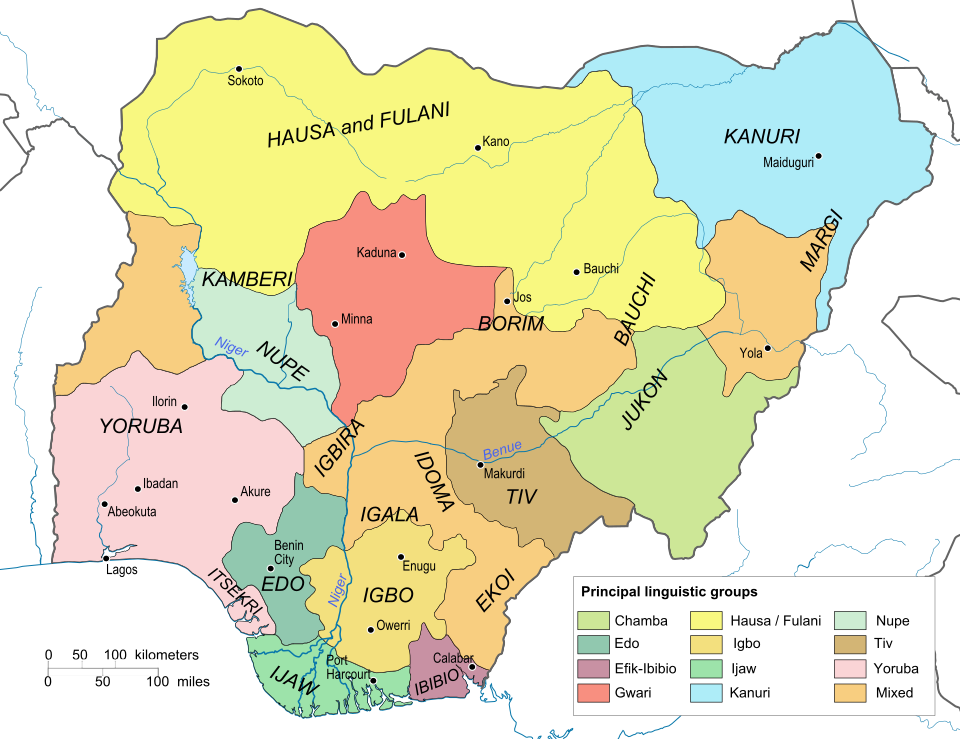
The Igbo are one of Nigeria’s 250 ethnic groups. They live in the Igbo Kingdom of Nri in the southeast. The Igbo Kingdom of Nri consolidated in the 10th century and continued until it lost its sovereignty to the British in 1911. The Eze Nri ruled Nri, and the city is considered the foundation of Igbo culture. Nri and Aguleri, where the Igbo creation myth originates, are in the territory of the Umeuri clan. Clan members trace their lineages back to the patriarchal king-figure Eri. In West Africa, the oldest bronzes made using the lost-wax process were from Igbo-Ukwu, a city under Nri influence.
Today, I am wearing the Igbo tunic:
White African Kaftan Suit: Men’s Senator Wear, Tesil Fabric
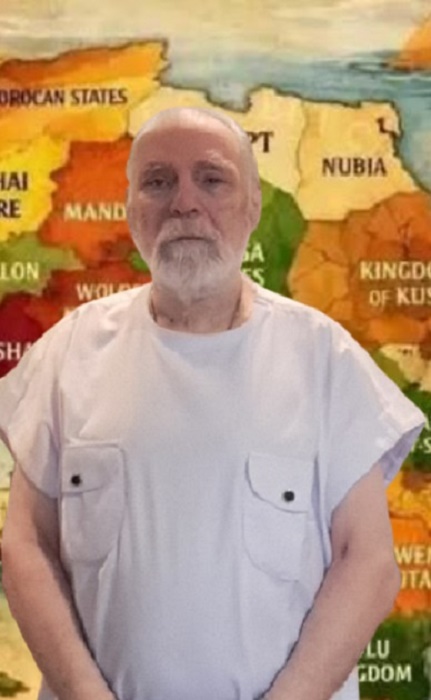
The kaftan (or caftan) is a long, loose-fitting robe or tunic that originated in West Asia and has been worn across the Middle East, North Africa, and other cultures for thousands of years.
Politics: Abubakar Tafawa Balewa served as Prime Minister, with Nnamdi Azikiwe as the ceremonial president. The founding government was a coalition of conservative parties: the Northern People’s Congress, led by Sir Ahmadu Bello and dominated by Muslim Northerners, and the Christian-dominated National Council of Nigeria and the Cameroons, led by Nnamdi Azikiwe.
Okpu Igbo: Traditional Igbo Hats (Male) / Nigerian Senator Hat
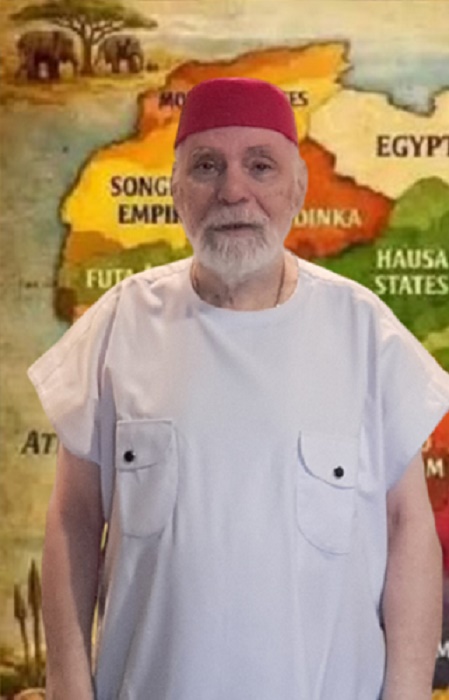
The Okpu Ozo, Okpu Mme, or Okpu Ododo is a traditional red cap worn by titled Igbo men. Hats or caps on pendants have been excavated in Igboland, in Igbo-Ukwu, dating back to the 9th-11th centuries. The Igbo red cap is one of the most recognizable symbols of traditional authority, honour, and cultural identity among the Igbo people of southeastern Nigeria.
Today, Igbo red caps are worn primarily by titled men, elders, chiefs, and respected community leaders; the red cap signifies wisdom, leadership, achievement, and the responsibility to uphold the community’s customs and values. Receiving the right to wear the red cap is often associated with attaining a traditional title or earning distinction through service and integrity.
Today, the red cap extends beyond its traditional role. Many young Igbo men, including those in music, politics, and media, wear it proudly as a statement of cultural pride and heritage. Even without a formal title, wearing the cap can signify a connection to Igbo roots, a sense of belonging, and respect for the history it represents.
Okpu Igbo: Traditional Igbo Hats (Male) / Nigerian Senator Hat
Languages: Nigeria’s major languages represent three major African language families; most are Niger-Congo languages, such as Igbo, Yoruba, Ibibio, Ijaw, Fulfulde, Ogoni, and Edo. Kanuri, spoken in the northeast, mainly in Borno and Yobe States, belongs to the Nilo-Saharan family, and Hausa is an Afroasiatic language. Some of the largest of these have derived standardized languages from several different dialects and are widely spoken by their respective ethnic groups. Nigeria’s official language, English, was chosen to promote cultural and linguistic unity and was influenced by British colonization, which ended in 1960.
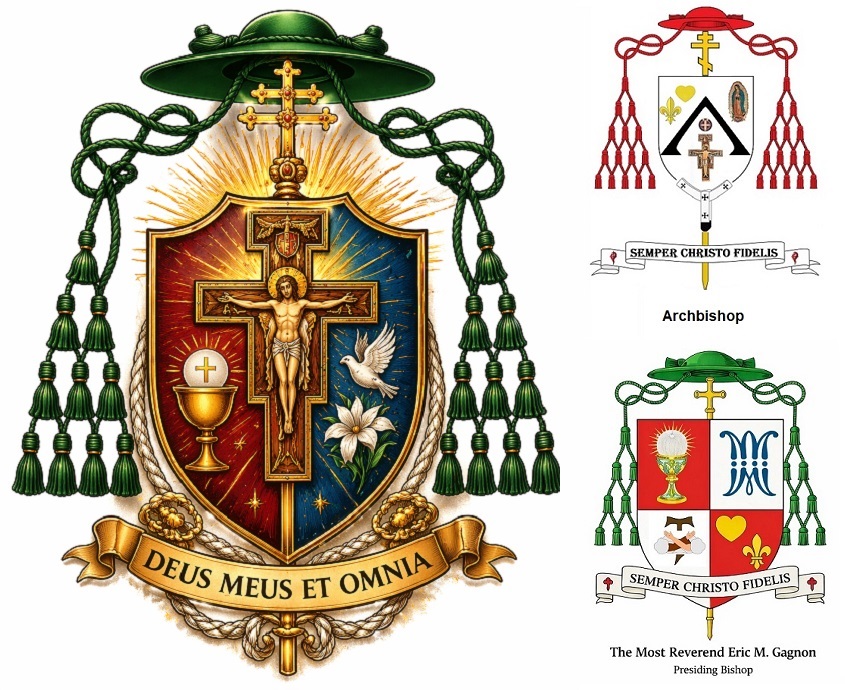
Here as a Metropolitan Archbishop
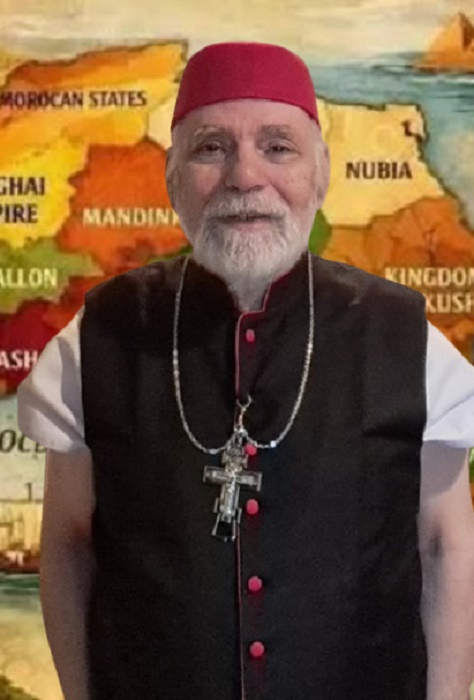
- Metropolitan Archbishop of Kenya, Malawi and Uganda since 2017
- Metropolitan Archbishop of Cameroon since July 7, 2024
- Metropolitan Archbishop of South Africa since June 10, 2026
- Metropolitan Archbishop of Nigeria since August 24, 2026
- President Bishop Elected Canada, 2011
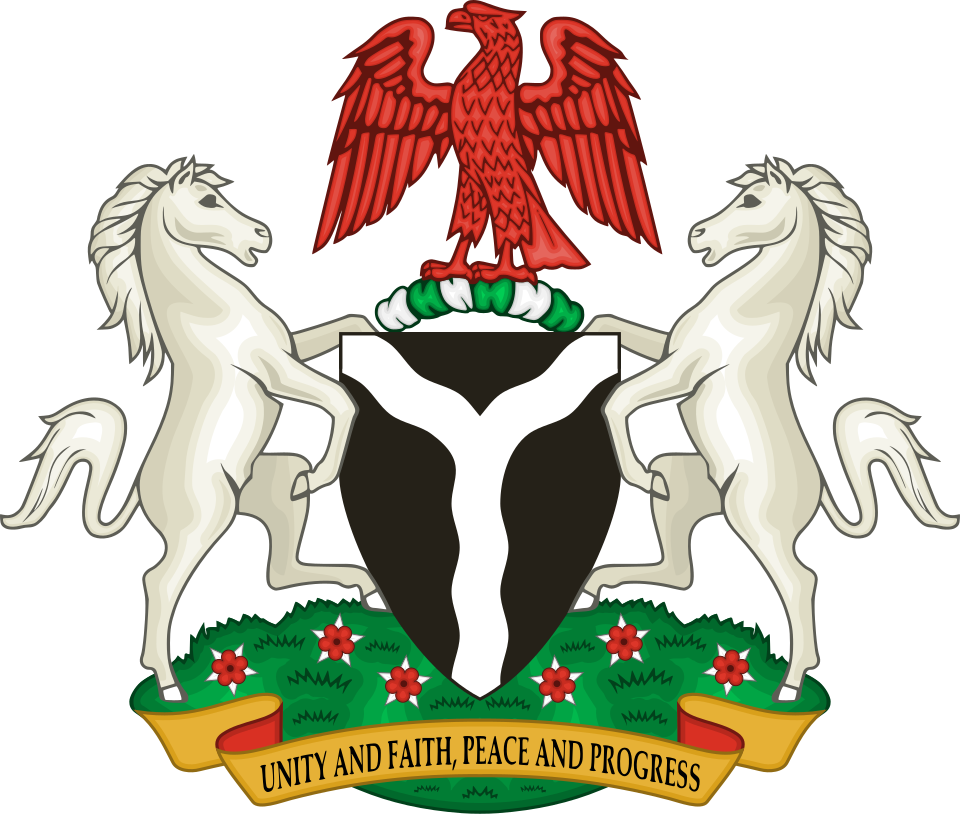
Religion in Nigeria: Islam and Christianity are the two main religions practiced in Nigeria. The country is home to some of the world’s largest Muslim and Christian populations simultaneously. Nigeria is divided roughly in half, with Muslims making up about 53% to 56% and Christians accounting for about 43% to 45% of the country’s total population. The Christian share of Nigeria’s population is currently in decline due to a lower fertility rate relative to the Muslim population in the country. In 2020, Nigeria had the world’s fifth-largest Muslim population and sixth-largest Christian population.
Nigeria is officially a secular state with no official state religion. Article 10 of the Constitution states that “The Government of the Federation or a State shall not adopt any religion as State Religion”.
The Igbo people of South East and South South Nigeria are an ethnic group whose primary origin is found in modern-day Nigeria, in Abia, Anambra, Ebonyi, Enugu, and Imo States. Others live in the Niger Delta and along the Cross River. They are also found in Cameroon, Gabon, and Equatorial Guinea. The Igbo people are one of the largest ethnic groups in Africa. 9,035 (2021) Igbo people in Canada. The number of people practicing the Igbo religion decreased drastically in the 20th century with the influx of Christian missionaries under the British colonial government in Nigeria.
The Isiagu Listen (Leopard head in English), also called Chieftaincy, is a highly prestigious attire worn by the Igbo people that signifies power, authority, and pride. It holds a significant cultural and symbolic value for the Igbo people. It is usually worn on special occasions, such as weddings and coronation ceremonies. The shirt may be long- or short-sleeved. Some shirts have gold buttons that are linked by a chain. It usually has a breast pocket. Traditionally, a man received the Isiagu when he received a chieftaincy title. The shirt is usually worn with a red hat called Okpu Ozo or the Igbo leopard cap. In Igbo, the leopard cap is known as Okpu Agu.
The Okpu Ozo, Okpu Mme, or Okpu Ododo is a traditional red cap worn by titled Igbo men. Hats or caps on pendants have been excavated in Igboland in Igbo-Ukwu, dating back to the 9th – 11th centuries. The Igbo red cap is one of the most recognizable symbols of traditional authority, honour, and cultural identity among the Igbo people of southeastern Nigeria.